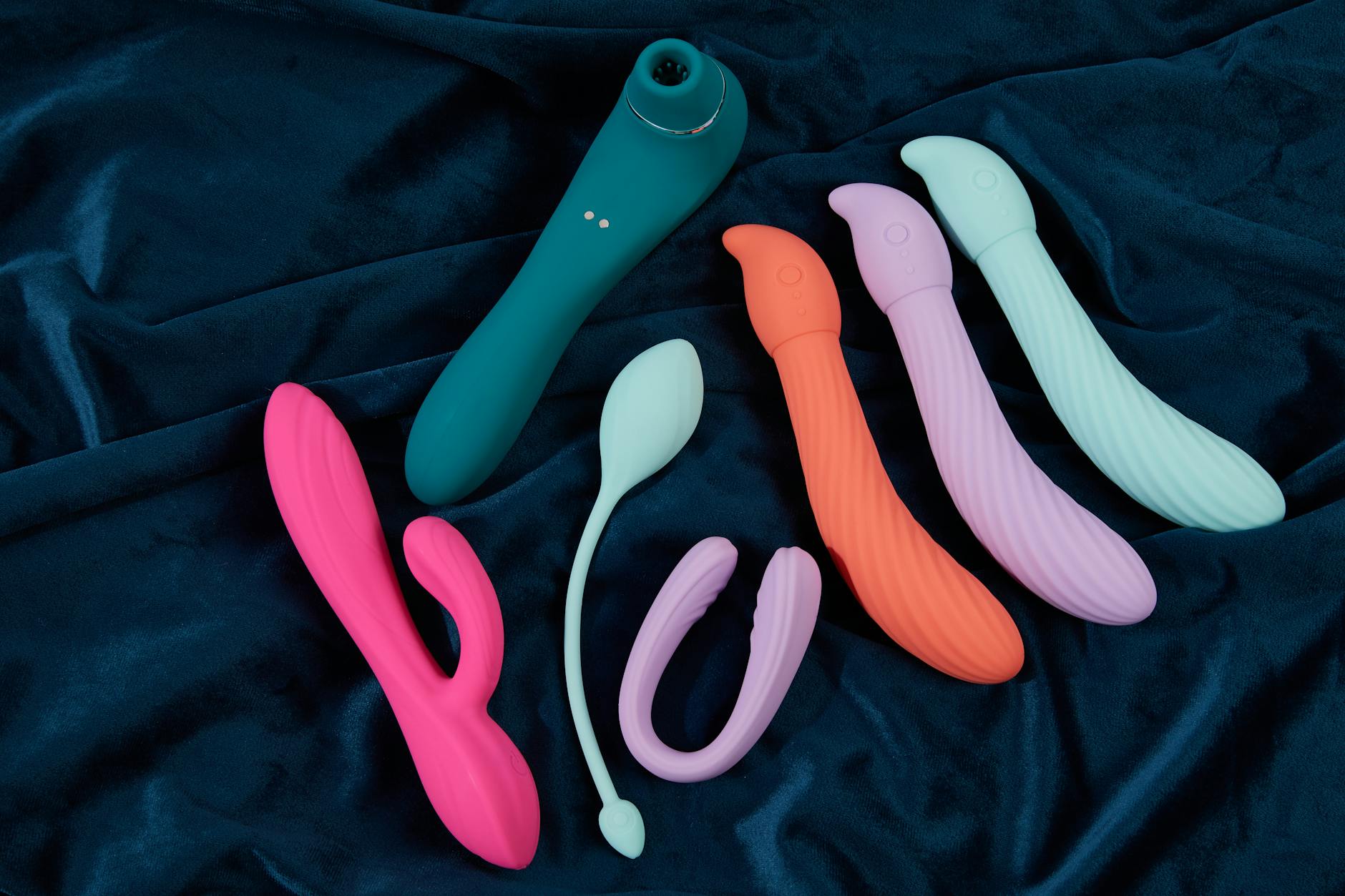
Here's the thing about turning 30
Your body stops being a novelty to you. That's actually good news for pleasure. Between you and me, most people discover their best orgasms somewhere in their 30s or 40s, not their 20s, and it's not because of better toys. It's because they finally know what they want.
But something real does change physically. Nerve sensitivity shifts, arousal patterns evolve, and the way your clitoris responds to stimulation from a lemon vibrator or any other clitoral vibrator becomes measurably different. Not worse. Just different. And often more powerful.
The physical reality of pleasure after 30
Let's separate myth from fact. Your clitoris doesn't lose sensitivity as you age. What actually happens is more nuanced. Blood flow patterns change slightly. The tissues around the clitoris shift in thickness and elasticity. Hormonal cycles (if you're still cycling) may feel different. For some people, orgasms become easier and more intense. For others, they take slightly longer to build but feel deeper when they arrive.
The lemon vibrator, with its suction-based stimulation rather than pure vibration, works with these changes beautifully. Instead of relying on ultra-high frequency to trigger response, suction creates a broader pattern of stimulation that often feels more satisfying to bodies past 30.
Here's what the data actually shows: clitoral sensitivity doesn't decline significantly through your 30s and 40s. What changes is your brain's ability to focus on sensation without distraction. You have fewer competing thoughts. You're less worried about how you look. You've probably had enough partners or self-exploration to know which patterns work for your body.
Why sensation actually intensifies for many people
Three reasons this happens more often than you'd think.
Confidence is neurological. When you stop performing and start receiving, your nervous system shifts into a parasympathetic state (rest and digest, not fight or flight). That state literally makes pleasure more accessible. A lemon clitoral vibrator combined with genuine relaxation creates a different experience than the same toy used while you're self-conscious or distracted.
You know your patterns now. At 20, you might have assumed one type of stimulation was "normal." By 30, you've figured out your rhythm. Maybe you need a longer warm-up. Maybe you prefer gentler initial contact. Maybe you like building intensity slowly. Tools like the Lem, which has multiple pattern options, start making sense in a way they didn't when you were guessing at what you wanted.
Your pelvic floor has matured. This sounds clinical, but it matters. The muscles supporting your clitoris and vagina are stronger and more coordinated in your 30s than in your 20s (assuming you're not dealing with trauma or very high stress). That structural support changes how vibration travels through tissue and how orgasms feel.
What intensity actually means at different ages
When you're 22 and someone hands you a vibrator, intensity often means speed and power. You're looking for the fastest way to an orgasm. By 30, 35, 40, you're usually looking for something different. Intensity might mean depth, or consistency, or a particular pattern that you've learned builds longer-lasting pleasure.
A lemon vibrator's suction-based approach lets you explore both. Start at low patterns on the Lem and you get subtle, broad stimulation. Move to higher patterns and you get serious intensity. But because it's suction, not just hammering vibration, the sensation stays complex even at high settings.
Many people after 30 find they prefer this kind of intensity over the pure vibrational force they wanted when younger. It feels less like being stimulated and more like being caressed by something that understands the exact spot you need.
Hormonal shifts and what they actually change
If you're cycling, your hormones absolutely affect how you respond to a clitoral vibrator. Estrogen peaks just before ovulation, and many people find their clitoris is more sensitive during that window. This doesn't make other times worse for pleasure. It just means you might get faster arousal around ovulation and might need a warmer-up during the luteal phase.
After 30, you've usually noticed these patterns. You know which week you prefer solo time with a lemon vibrator and which week you'd rather use it with a partner. That knowledge is its own form of power.
If you're approaching menopause or already past it, you might notice it takes longer to reach orgasm but the orgasms themselves feel more full-bodied. This is when air-suction toys like a lemon clitoral vibrator really shine, because they work through changed tissue without requiring the kind of friction that might feel intense or uncomfortable.
How to adapt your approach as your body changes
Four things I suggest to people rediscovering pleasure in their 30s and beyond.
First, give yourself time. Arousal doesn't arrive instantly anymore, and that's not a loss. A 15-minute warm-up with a partner or alone before bringing in the Lem isn't a waste. It's part of the pleasure. Your body needs the buildup.
Second, experiment with patterns you skipped before. If you went straight to the highest setting on your old vibrator, try starting on pattern 2 or 3 with a lemon vibrator and notice what happens. Many people find the mid-range patterns feel better than either extreme.
Third, consider lube even if you never needed it before. After 30, adding lubrication (especially around the entrance to the vagina, not necessarily the clitoris itself) changes how sensation travels and can make everything feel richer.
Fourth, notice if intensity for you has shifted from speed to something else. Maybe it's now about duration, or about combining clitoral stimulation with internal pressure, or about the specific moment right before orgasm feeling deeper. Let your pleasure define intensity, not the other way around.
The social part that nobody talks about
Pleasure doesn't happen in a vacuum. After 30, you're probably more comfortable with your body, less likely to apologize for wanting what you want, and clearer about your boundaries. That mental shift changes the physical experience more than any biological change does.
If you're using a lemon clitoral vibrator with a partner, you might find the conversation around it is easier after 30. Less performance anxiety. More "here's what works for me" and less "is this weird?"
If you're using it solo, the lack of judgment from yourself is huge. You're not rushing. You're not performing for anyone, even in your own head. You can take 45 minutes if you want. You can stop and come back. You can try the same pattern 12 times in a row because it's working.
That permission, that's what intensifies pleasure after 30 more than any biological shift.
When to check in with yourself
If orgasms have become genuinely hard to reach and it's bothering you (not just different, but frustratingly different), it's worth talking to a doctor. Sometimes it's hormonal. Sometimes it's medication-related. Sometimes it's stress or relationship dynamics. Sometimes it's nothing wrong at all, just a shift that you'll adjust to.
If you've never tried a high-quality clitoral vibrator and you're past 30, this is honestly an excellent time to start. Your knowledge of your own body makes you a better tool user. You're less likely to buy something that doesn't match your needs. And pleasure-positive research suggests that people who explore their own pleasure in this season of life report higher satisfaction overall.
FAQ
Does vibrator use get less pleasurable as you age?
No. In fact, most people report that well-chosen vibrator use becomes more pleasurable after 30, not less. This is partly because you know yourself better, partly because you're not self-conscious, and partly because the right tool (like a lemon vibrator with multiple patterns) can work with your changing body instead of against it.
Can a lemon clitoral vibrator still give intense orgasms after 30?
Completely. Intensity after 30 often means something different than it did at 22, but it's not less. Many people describe orgasms from a suction-based vibrator like the Lem as deeper and more full-bodied after 30 than they were with high-speed traditional vibrators when younger.
Does it take longer to orgasm as you get older?
For some people, yes. Arousal can build more slowly after 30, especially around the luteal phase of your cycle. But this isn't a problem to solve. It's time to enjoy. A longer warm-up often leads to a better orgasm. If quicker arousal is important to you, starting with a lemon suction vibrator on a low pattern and gradually increasing can help you find the right rhythm.
Will my sensitivity to vibration decrease over time?
Not in the way you might think. Your clitoris doesn't lose nerve endings. What changes is how your brain processes sensation, and that usually works in your favor. You become more selective about what feels good and less reactive to everything. A quality lemon vibrator that matches your preferences will feel as intense or more intense than it did when you were younger.
Should I try a different type of vibrator after 30?
It's worth experimenting if you've been using the same style for years. After 30, many people find they prefer suction-based toys like lemon vibrators or air-pulse devices over traditional vibrators, because the sensation feels more sophisticated and less jarring. But there's no "should." Use what actually works for your body.
Can relationship status affect how pleasure changes after 30?
Absolutely. Some people who are partnered find pleasure deepens after 30 because the relationship has matured. Others find they rediscover themselves solo. Some switch between both. The good news is that a high-quality lemon clitoral vibrator works equally well alone or with a partner, so you can explore without needing to choose.
The bottom line
Turning 30 doesn't peak your pleasure. It often does the opposite. You finally know what you want. You're less embarrassed to ask for it. Your body, while different than it was at 25, is usually more responsive to the right kind of attention. That's not a consolation prize. That's the actual good part of getting older.
Your clitoris is not declining. Your capacity for pleasure is not fading. You're just beginning to understand it.