The honest part nobody mentions
Chronic pain rewires what pleasure looks like. It doesn't erase it, but it changes the rules. If you live with fibromyalgia, rheumatoid arthritis, lupus, chronic migraines, or long COVID, you already know that your body's responses aren't linear. One week feels manageable. The next week, even light touch triggers pain. This inconsistency is exhausting. The last thing you need is guilt about not being able to have sex the way you used to.
Here's what I tell my clients with chronic pain: a lemon vibrator is not a workaround for a broken system. It's a tool designed for your actual nervous system right now. And it works differently than you might expect.
Why lemon vibrators work for chronic pain bodies
Let's start with the mechanism. A lemon clitoral vibrator uses air-suction stimulation rather than direct friction. That distinction matters hugely for chronic pain.
With a traditional vibrator, you're applying repeated mechanical pressure to already-sensitive tissue. For people with fibromyalgia or central sensitization, that pressure can trigger pain amplification. Your nervous system interprets the stimulus as threat rather than pleasure. You end up more tense, not more relaxed.
A lemon sucker works differently. The suction gently draws tissue into the device, stimulating deep nerve clusters without sustained pressure. You can control the intensity by choosing which suction level to use and how long you hold contact. Most importantly, you can pause instantly without losing sensation completely. This gives you agency over your nervous system response.
I've had clients with fibromyalgia report that after years of avoiding partnered sex because of pain, a lemon vibrator was the first device that felt like pleasure instead of endurance testing.
The pain-specific setup that changes everything
Three things shift when you're managing chronic pain:
Timing matters more than desire. You probably already track your pain cycles. Use that data. If your pain is lowest in the morning or after medication kicks in, that's your window. Don't wait until evening when you're depleted. Schedule intimacy like you schedule rest, and don't apologize for it.
Positioning prevents flare-ups. Lying flat often triggers lower back or hip pain. Sitting upright in a supportive chair with the lemon vibrator gives you control and comfort. Props are not cheating. A wedge pillow, a recliner, even pillows stacked under your back aren't accommodations. They're smart body management. Use them.
Less pressure, more sensation. Start on the lowest suction setting. I mean the actual lowest. Many people jump to level three thinking they need intensity. On a pain body, level one creates plenty of stimulation. The point isn't to reach climax as fast as possible. The point is sustained pleasure without triggering shutdown.
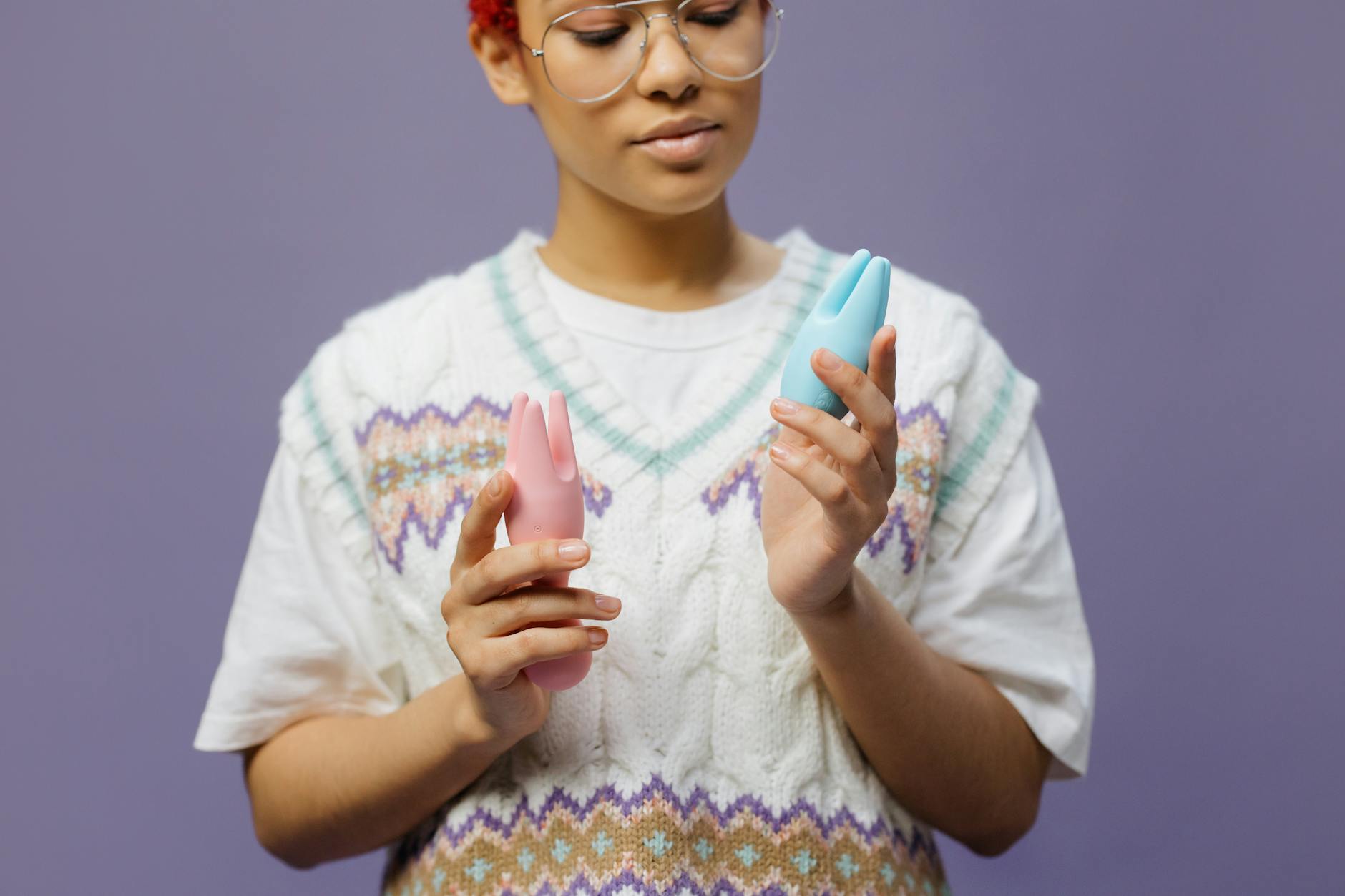
Photo by cottonbro studio on Pexels
What chronic pain does to arousal (and what you can do about it)
Chronic pain dampens desire through multiple pathways. There's the obvious one: pain reduces arousal because your body is in protection mode. But there's also fatigue, medication side effects, and the psychological weight of never knowing how you'll feel hour to hour.
Medications complicate things further. Opioids numb sensation. Antidepressants can flatten response. Muscle relaxants make everything feel distant. If you're on any of these, a lemon vibrator's directness becomes valuable. It's specific enough to override some of that dampening.
The other part is mental. After months or years of pain limiting your sexuality, you might have stopped seeing yourself as a sexual person at all. That's not laziness. That's protection. Your mind learned that sexuality equals flare-ups and shutdown.
Reintroducing pleasure requires separating it from performance. This is where partnered use matters, but solo use matters more. When you're alone with a lemon clitoral vibrator, you're not performing for anyone. You're gathering data on what your body actually wants today.
Energy management: the invisible part
Chronic pain exhaustion is different from regular tiredness. You can feel wiped out even after resting. This affects intimacy because sex takes energy your body doesn't have. The fix isn't willpower. It's radical honesty about energy budgets.
A lemon vibrator is relatively low-effort. You don't need to maintain anything physically. You're not coordinating with a partner. You're not performing or pacing yourself for someone else's pleasure. You're directing exactly where sensation goes and for how long.
This efficiency matters. Twenty minutes with a lemon vibrator might take less total energy than an hour of partnered sex, even if the sensations are better. That's not settling. That's wise allocation of a resource you don't have in surplus.
Communication with partners during chronic pain phases
If you have a partner, they might assume that chronic pain means no sex. Some partners feel guilty or rejected. Others feel pressure to fix something that isn't fixable. A lemon vibrator reframes the conversation.
Instead of "I can't have sex like we used to," you get to say "Here's what works for my body right now." That's a different energy. One is absence. The other is presence with adaptation.
If your partner is involved, they can learn your pain patterns and anticipate your needs. They can set up pillows, dim lights, control the lemon sucker while you focus on sensation. That's intimacy. It's not the intimacy you planned on, but it's real and it matters.
The couples I work with who navigate chronic pain best are the ones who stopped treating pain as an interruption to their sex life and started treating adapted pleasure as part of their relationship reality. That shift is everything.
Flare-up protocols: what to do when pain spikes
Some days, even gentle touch is too much. That's not failure. That's your nervous system protecting itself. On those days, you don't use the lemon vibrator. Period.
But on moderate pain days, when you're functional but compromised, here's what helps: warm up first. A heating pad on your lower abdomen for ten minutes primes your nervous system toward pleasure instead of protection. Shower beforehand if hot water helps your pain. Hydrate. These aren't optional. They're part of setup.
When you're ready, use the lemon sucker on the lowest settings. Focus on sensation rather than outcome. If you're not building toward orgasm, that's fine. Pleasure without climax is still pleasure. Your goal is to remind your nervous system that sensation can feel good. That's the entire win.
Many of my clients with chronic pain find that 10-15 minutes of gentle lemon vibrator use actually reduces their pain afterward. Not because it cures anything, but because you've downregulated your nervous system. You've spent time in pleasure instead of protection. That shift has neurological effects.
When to involve healthcare providers
If sex is painful because of your chronic condition itself (not just general pain), mention it to your doctor. Some pain conditions have specific recommendations. Endometriosis pain, for instance, responds differently than fibromyalgia. Vulvodynia needs different support than arthritis.
A good provider won't shame you for wanting to maintain sexuality. They'll help you figure out what positions, timing, and tools actually serve your body. That might include local anesthetics, pelvic floor physical therapy, or specific guidance on medication timing.
You deserve that conversation. Your sexuality isn't a luxury you forfeit when pain shows up. It's a basic part of living in your body.
The real win
Using a lemon clitoral vibrator when you have chronic pain isn't about proving you can still have sex like a healthy person. It's about choosing pleasure that fits your actual life right now. Some days that's partnered. Some days it's solo. Some days it's a low-intensity 10-minute session that feels like abundance because it's realistic.
Your pleasure deserves accommodation, not apology. A lemon vibrator is one tool that lets you prioritize both. That matters more than you might think.
People also ask
How do I use a lemon vibrator if I have fibromyalgia and light touch is painful?
Start with the absolute lowest suction setting, and don't let the device stay in one spot for more than 10-15 seconds at a time. Movement prevents pressure buildup. Many people with fibromyalgia find that moving the lemon sucker around the general area, rather than holding it steady, feels more like pleasure and less like pain. You can also apply it over clothing or through a thin barrier to reduce direct sensation intensity.
Can I use a lemon vibrator if I'm on opioid medication for chronic pain?
Yes, though sensation might feel muted. You may need to experiment with higher suction levels or longer sessions to find what registers. Be patient with yourself. Opioids genuinely dampen response. That doesn't mean pleasure is impossible, just that you might need different parameters. If sensation stays completely absent, talk to your prescriber about timing doses around intimacy, or explore whether your medication regimen can shift.
Does using a lemon clitoral vibrator cause pain flare-ups?
Not if you approach it carefully. The gentle suction method is actually less likely to trigger flare-ups than friction-based stimulation. However, pushing too hard, using too high intensity, or going too long can activate pain. Think of it like exercise with chronic pain. A short, moderate session helps. Overdoing it backfires. Listen to your body and stop before you feel strain.
Is it okay to use a lemon vibrator on days when my pain is really bad?
No. Respect those days as rest days. Your nervous system is already overwhelmed. Adding stimulation, even pleasant stimulation, can push you into a worse flare. Instead, focus on self-care that doesn't require exertion. Use the lem vibrator on your moderate or low pain days when your system has capacity for something new.
Will a lemon vibrator help with pain, or just pleasure?
It's primarily a pleasure tool, not pain relief. That said, some people experience temporary pain reduction after orgasm because of endorphin release and nervous system downregulation. But that's a side effect, not the main point. Use it for pleasure and accept that pain relief is a bonus, never the goal.
How do I talk to my partner about needing a lemon vibrator because of chronic pain?
Start with facts, not emotions. "My pain affects how my body responds, and I found that a lemon sucker helps me feel sensation more clearly. I'd like to explore that." Most partners respond better to a specific tool and plan than to vague discomfort. You could even suggest that they help by managing pillows or pacing while you use the device together.
Resources and references
If you're exploring how chronic pain affects sexuality, these foundations offer reliable information:
- The American Chronic Pain Association offers resources on sexual health with pain conditions at acpa.org
- The Gottman Institute research on couples navigating health challenges provides evidence-based communication strategies
- Sexual health providers specializing in pain conditions (pelvic floor physical therapists, pain-informed sex therapists) offer tailored guidance beyond general advice
Your pleasure matters. Pain doesn't erase that. A lemon vibrator is one way to honor both your body's limits and your need for sensation. Start small, go slow, and trust what feels good. That's the entire protocol.