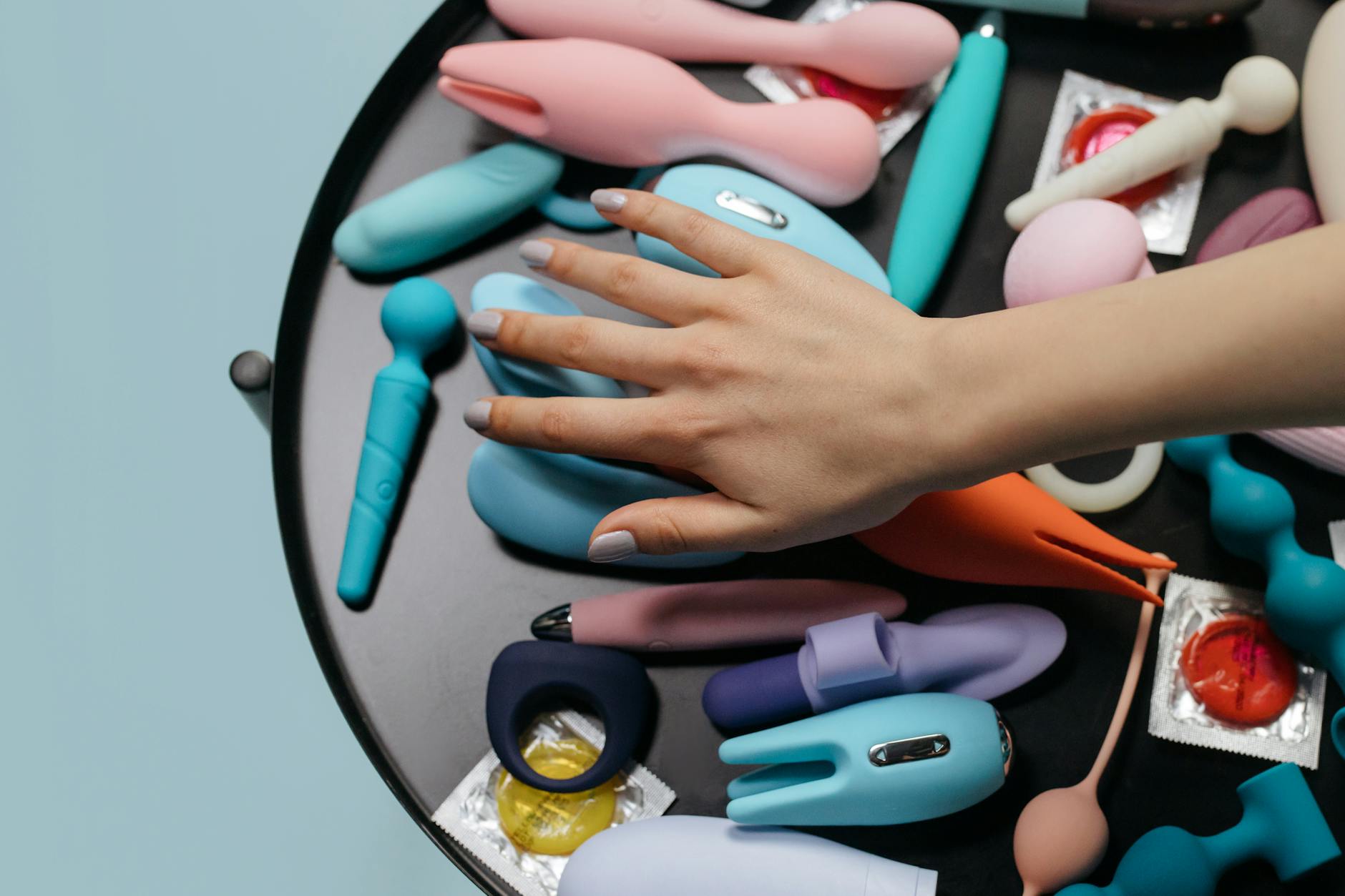
Let's talk about the mismatch nobody wants to name
Your partner wants sex once a month. You want it twice a week. Or they want it; you don't. Or you're both just running on fumes. Whatever the shape of it, desire mismatch is one of the most common sources of silent resentment in relationships. And it's almost never solved by talking alone.
Here's the thing: using a lemon vibrator when your partner has genuinely low desire isn't about ignoring the problem. It's about refusing to let their low drive become your low pleasure.
Why this matters for your relationship (not just your orgasm)
When one person in a partnership has significantly lower desire, the higher-desire partner often does one of three things: they shrink their own needs, they pressure the lower-desire person, or they get quietly resentful. None of those ends well.
Using a clitoral vibrator like the Lem gives you a third option. You can meet your own needs without creating a conflict about your partner's body or their capacity. You can stay connected to pleasure without making it their responsibility.
Research on couples where desire is mismatched shows that when the higher-desire partner has independent sexual satisfaction, the overall relationship actually improves. There's less pressure on the lower-desire person, less resentment building, and paradoxically, sometimes more openness to intimacy when it's not fraught.
Three distinct uses for mismatched desire
Depending on where you and your partner are, a lemon vibrator can work differently.
1. Solo pleasure with emotional connection. You use your device while your partner is present. They might hold you, kiss you, or simply be there. This bridges the gap: you're getting your pleasure met, they don't have to perform, and you're still physically connected. Many couples find this genuinely intimate.
2. Private reclamation. You use the vibrator when your partner isn't around, without guilt. This isn't infidelity; it's maintenance. Your pleasure matters independent of their capacity in this moment. Some people find this emotionally easier initially because there's no performance layer.
3. A conversation tool. You introduce your vibrator into discussions about desire mismatch. "I want to keep my sexuality alive in our relationship. This helps me do that." Some partners respond better to action than words.
How to actually use a lemon vibrator when desire is mismatched
Start with yourself, privately. Before involving your partner, build a rhythm you enjoy. Use your clitoral vibrator solo three to five times a week if you can. Get comfortable with what feels good. This isn't selfish. You're reclaiming your baseline pleasure.
When you know how to use your lemon sexual toy effectively for yourself, you have options. You know what you like. You're not fumbling. You're not waiting for your partner's desire to unlock yours.
Then consider presence. Once you're comfortable, invite your partner to be in the room while you use your device. This removes the secrecy layer that sometimes creates distance. They don't have to do anything. They can read, touch you, or just be present. Some partners feel relief at this arrangement because the pressure lifts. Others find it unexpectedly erotic.
Use a lemon clitoral vibrator during foreplay, even when it's limited. If your partner initiates, bring your vibrator into it early. You use it for ten minutes while they kiss you or touch you elsewhere. You orgasm. Then you can decide together if penetration happens, or if you're already satisfied. This way, their lower desire doesn't cap your pleasure.
Be honest about what low desire actually means. Is it low desire across the board, or low desire specifically for penetration? Low desire for their body specifically, or low sexual motivation generally? The lem vibrator works differently depending on the answer. If they're fine with external stimulation but hesitant about penetration, your clitoral vibrator is perfect. If they've just lost sexual motivation entirely, a vibrator becomes something you do parallel to the relationship, not within it.
The conversation you can't skip
You can't use a lemon adult toy as a substitute for talking about why desire is low. Low desire usually has a reason. Hormonal birth control. Stress. Relationship friction. Depression. Medication. Resentment. Boredom. Mismatch in how you both define sex.
Your partner's low desire isn't your fault. But it also probably isn't because they're broken or because you're not hot enough.
Before you lean into using your vibrator, get curious. "I've noticed our sex drive doesn't match right now. I want to understand what's going on for you, not judge it." Then listen. Actually listen. Low desire often signals something they need you to hear.
If the low desire is connected to something you can influence (resentment, feeling too much pressure, not enough foreplay, depression), addressing that is more important than the vibrator. The vibrator is support for the real work, not a replacement for it.
When to bring up your vibrator explicitly
Don't ambush your partner with a lemon vibrator mid-sex. That's not fair.
Instead: "I've been thinking about our mismatch in desire. I don't want to pressure you, and I don't want to give up my pleasure either. I'm thinking about using a vibrator more regularly, solo or with you nearby. How would you feel about that?"
Some partners will feel relieved. Some will feel rejected. Some will need time to sit with it. Give them that.
If they say no, understand what the no is about. Are they uncomfortable with toys? Do they feel like it's a commentary on them? Are they worried it means you're losing attraction? Those are different conversations than "can I use a vibrator."
What using a lemon clitoral vibrator actually teaches you
When you start using a lem vibrator in the context of mismatched desire, something shifts. You stop framing your pleasure as something your partner either gives you or denies you. You own it. Your orgasm becomes independent. That's powerful.
For some couples, this independence actually rebuilds desire. When a lower-desire partner isn't carrying the weight of their partner's sexual needs, they sometimes want more sex. When there's no pressure, desire sometimes returns.
For others, it means the mismatch becomes manageable rather than a wound. You're not resentful. They're not guilty. You're partners who want different amounts of sex and you've both decided to handle it maturely.
The integration that works
Honestly? The best version of this looks like: you use your lemon sexual toy regularly, solo or with your partner present. Your partner knows about it and supports it, even if it's not their thing. You still have partnered sex at whatever frequency you both agree on. And you've stopped pretending that your pleasure is only valid if it comes from them.
That's not giving up on your sex life together. That's protecting it by making room for you to exist as a sexual person independent of their current capacity.
Your desire deserves space. Your pleasure matters. A lemon vibrator just makes that non-negotiable.
People also ask
Will using a vibrator make my partner feel inadequate?
Maybe, initially. But inadequacy is different from reality. Your partner's low desire isn't actually about your vibrator. The vibrator just makes visible a problem that already exists. If they feel inadequate, that's usually worth exploring with a couples therapist. But hiding your sexuality to protect their ego means your needs disappear. That's not sustainable or fair.
Should I ask my partner's permission to use a vibrator?
There's a difference between consent and permission. You can be respectful about introducing a vibrator without asking permission like you're a child. "I'm using a vibrator because my needs matter" is a statement of fact. "Is it okay if I use a vibrator" frames it as something they get to veto. I'd lean toward respect without asking for permission.
What if my partner says they feel replaced or cheated on?
That's a real reaction some people have, and it deserves to be addressed. Often it signals something deeper. Fear of abandonment. Shame about their own low desire. Insecurity. A couples therapist can help untangle it. But your sexuality isn't infidelity. You're not breaking trust by owning your pleasure.
Can a clitoral vibrator actually fix desire mismatch?
No. A vibrator is a tool for your pleasure, not a relationship fix. Desire mismatch usually needs actual conversation, possibly professional help, and real commitment to understanding what's underneath. If your partner's low desire is depression, a vibrator won't treat depression. If it's resentment, a vibrator won't heal resentment. But it means you don't have to suffer while the real work happens.
Is it normal to prefer my vibrator to partnered sex?
It's worth paying attention to. If you consistently prefer solo sex with your lemon vibrator to partnered intimacy, that might signal that something in the partnership itself is broken, not just the desire frequency. Are you avoiding something? Are you disconnected? That's different than just having a higher drive.
How do I know if my partner's low desire is normal or a red flag?
Variation in desire across time is completely normal. Stress, hormones, life, aging. All of it shifts libido. But sustained, significant mismatch that causes distress is worth investigating. A couples therapist or sex therapist can help you figure out whether this is a phase or a pattern, and whether it's fixable or something you both need to accept and work around.
The real point
Using a lemon vibrator when your partner has low desire isn't a workaround. It's a choice to stay connected to your own sexuality while you figure out what's actually going on in your relationship. It's refusing to disappear. And sometimes, that refusal to shrink is what finally opens a conversation that matters.
Your pleasure deserves to exist. Your partner's low desire doesn't get to erase it. A clitoral vibrator is just the tool that makes that real.