
Let's talk about the kegel trap
Here's the thing nobody mentions: you can do kegels wrong. Not just the form, but the entire philosophy behind them. Most of us learned "pelvic floor exercises strengthen everything down there," and we took it to mean more contractions equals more strength. That's not how the pelvic floor works. Your pelvic floor is a muscle group, and like any muscle, it can get chronically tight, fatigued, and unable to relax properly.
When your pelvic floor stays contracted all day, pleasure gets harder, not easier. You might notice it as reduced sensation, difficulty reaching orgasm, or even mild pain during sex. And if you've been doing kegels consistently for months or years without ever releasing that tension? You're living in a chronic squeeze that's actively working against you.
That's where clitoral vibrators, especially air-suction styles like the Hello Nancy Lem, come in. They're not just tools for pleasure. They're nervous system reset buttons.
What happens when your pelvic floor gets too tight
The pelvic floor has one job: support and control. Healthy pelvic floor function means the ability to contract and release. Most people focus on the contract part. We ignore the release.
When you're stressed, anxious, or constantly doing kegels without a corresponding relaxation routine, the pelvic floor stays in a low-level contraction state. This creates what therapists call "pelvic floor dysfunction." It looks different for everyone, but common signs include:
- Difficulty reaching orgasm even when you're aroused
- Orgasms that feel muted or happen only superficially
- A feeling of pressure or heaviness in the pelvic region
- Reduced sensation during touch or penetration
- Mild pain during or after sex
- A constant urge to contract or "clench" down there
The weird part is that it often feels like weakness. It's not. It's the opposite. Your muscles are stuck in a contraction pattern, and your nervous system has forgotten how to let them fully relax.
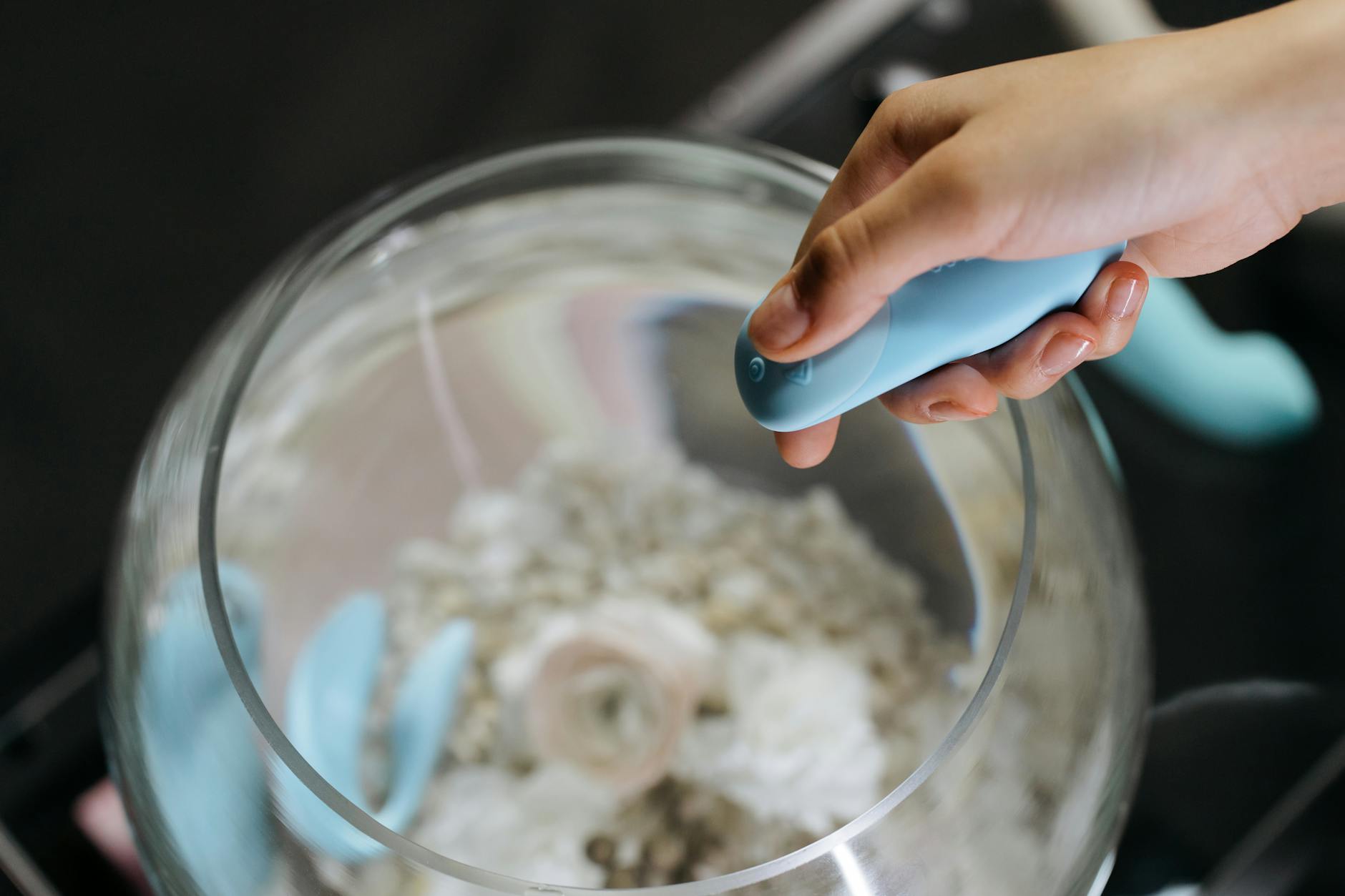
Photo by cottonbro studio on Pexels
Why vibration specifically helps release tension
Vibration does something kegel exercises can't: it bypasses conscious control. When you use a clitoral vibrator, you're not contracting anything. You're creating rapid micro-movements that activate sensory nerves and gently encourage the pelvic floor to relax rather than grip.
Here's the neurology. Your pelvic floor responds to both voluntary (conscious) and involuntary (automatic) nervous system signals. Kegels are 100 percent voluntary. They require mental focus and effort. After months of "engage, hold, release, repeat," your nervous system gets stuck in an overactive state. The sympathetic nervous system (your stress response) stays partially activated even when you're trying to relax.
Vibration, especially the suction-based stimulation of lemon clitoral vibrators, activates the parasympathetic nervous system. That's your rest-and-digest response. It's the opposite of stress mode. When you use the Lem or a similar suction toy, you're essentially telling your nervous system "it's safe to let go now."
The repetitive, rhythmic sensation also has a grounding effect. It interrupts the mind's ability to stay in a controlling, clenching pattern and redirects attention to pure sensation. That shift alone helps the pelvic floor relax more completely than any conscious effort could.
The tension-release cycle for pelvic floor recovery
If you've been over-kegeling or living with pelvic floor tension, here's a simple recovery approach:
Week 1-2: Stop all kegels. I mean all of them. Your muscles need a break from voluntary contraction. This feels counterintuitive but it's essential.
Week 1-4: Add vibration, twice weekly. Use a clitoral vibrator for 10-15 minutes in a relaxed state. No goal of orgasm, no performance pressure. The goal is sensory input that encourages release. Many people find that starting at lower intensity settings helps the pelvic floor ease into relaxation rather than surprise it into further tension.
Week 3-6: Reintroduce kegels carefully. Only after you've spent a few weeks on vibration release work, you can bring back kegels. But do them differently: 5 contractions, 10-second holds, then a 30-second full release. The release part is where the healing happens. Spend as much time relaxing as contracting.
Ongoing: Alternate, don't accumulate. If you're doing kegels Monday through Friday, spend the weekend with a lemon vibrator instead. Balance matters more than intensity.
What to expect when you start using vibration for tension release
The first few sessions might feel odd. Your pelvic floor may be so used to gripping that relaxation actually feels uncomfortable at first. That's normal. You might also notice that sensation returns in waves. Some people find that after a week or two of regular vibration use, sensation comes back dramatically. Others notice it slowly over a month.
One thing that frequently surprises people: orgasms often feel different and sometimes more intense after the pelvic floor fully releases. This is because that chronically tight muscle wasn't able to contract and release fully during climax. Once it relaxes, your body gets access to its full orgasmic potential again.

Photo by Vanessa Loring on Pexels
How to use a clitoral vibrator specifically for pelvic floor release
If your goal is tension relief rather than quick arousal, adjust your approach slightly. Start with lower intensity settings on your lemon vibrator. The Lem's pattern range is designed to move from subtle to intense, so you can begin at pattern 1 or 2 rather than jumping to higher settings.
Focus on the clitoral area but with light pressure. You're not trying to reach orgasm quickly. You're inviting your nervous system into a calm, receptive state. Many people find that lying down with time and no deadline helps this work better. Ten minutes of gentle, rhythmic stimulation can reset your nervous system far more effectively than a five-minute power session.
If you have a partner, they can help by understanding that this is therapeutic work, not foreplay. The goal is relaxation and nervous system reset, not penetration or performance.
When to see a pelvic floor specialist
If you've been doing this work for a month and notice no change in sensation, pain, or tension, it's time to talk to a pelvic floor physical therapist. They can assess whether there's something beyond tension at play, like scar tissue, nerve involvement, or structural issues. A specialist can also teach you releases and relaxation techniques that go deeper than what vibration alone can do.
Pelvic floor dysfunction is incredibly common and highly treatable when addressed properly. Using a clitoral vibrator like the Hello Nancy Lem is part of the toolkit, not the whole solution for everyone. But it's a powerful part, because it works with your nervous system rather than against it.
The bigger picture: pelvic floor is not a "more is better" situation
We're sold on the idea that working your muscles harder makes them better. That's true for biceps. It's not true for the pelvic floor. Your pelvic floor needs strength, yes. It also desperately needs the ability to relax fully. If you've spent the last year kegeling without ever addressing release, your body is out of balance.
Adding vibration, especially the gentle suction stimulation of lemon clitoral vibrators, rebalances that equation. You get nervous system reset, restored sensation, and often better orgasms. All without forcing anything.
Frequently asked questions
Can I use a vibrator if my pelvic floor is too tight?
Yes, actually. Use it at low intensity without pressure, and focus on relaxation rather than orgasm. The gentle stimulation helps signal to your nervous system that it's safe to release. If it causes pain, stop and consult a pelvic floor specialist.
How often should I use a clitoral vibrator for pelvic floor tension?
Start with twice weekly for 10-15 minutes. Once you notice improvement, you can adjust frequency based on how you feel. There's no "too often" with vibration for therapeutic purposes, but most people find 2-3 times weekly is optimal once the tension improves.
Will a lemon vibrator replace pelvic floor physical therapy?
No. If you have significant pain, nerve damage, or persistent dysfunction, see a specialist. A vibrator is a helpful tool for nervous system reset and sensation recovery, but it's not a substitute for professional assessment when something feels seriously wrong.
Why do lemon clitoral vibrators work better than other vibrators for tension release?
Suction-based vibrators like the Lem create a different sensation than traditional wand or internal vibrators. The suction gently encourages blood flow and relaxation without the intensity that can sometimes cause more tension. Air-pulse technology also provides more variation in sensation, which helps prevent habituation.
If I had tension from kegels, does that mean kegels are bad?
No. Kegels are excellent when done correctly. The problem is doing them endlessly without ever learning to relax fully. Think of it like weight training. Lifting builds strength, but you need rest days and stretching. Your pelvic floor is the same.
Can tension from kegels cause lasting damage?
No permanent damage, but chronic tension can persist for months if you don't address it. Switching to a vibration-based release practice typically resolves it within 4-6 weeks of consistent use.
Your pelvic floor deserves rest, release, and the kind of nervous system reset that vibration provides. If you've been grinding through kegels for years, it might be time to try something different.